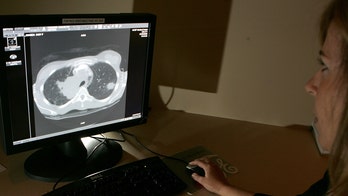
Lung Cancer FAQs
What is lung cancer?
Answer: Lung cancer is a type of cancer that develops in the lungs and can lead to rapid cell growth, resulting in tumors. Understanding the factors, symptoms and treatment options can make a life-saving difference.
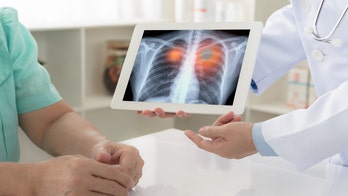
Lung cancer is diagnosed when abnormal cells in the lungs grow uncontrollably and is confirmed through imaging and biopsy.
There are two main types of lung cancer. The most common is non-small cell lung cancer, which includes subtypes such as adenocarcinoma, squamous cell carcinoma and large cell carcinoma. Another related but less common form is large cell neuroendocrine carcinoma.
Each subtype originates from different types of lung cells, according to the American Cancer Society.
The other type is small cell lung cancer, which typically grows and spreads faster than non-small cell lung cancer.
What are the common signs and symptoms of lung cancer?
Answer: The most common sign of lung cancer, according to the American Cancer Society, is a cough that will not go away or gets progressively worse.
Other symptoms include coughing up blood, chest pain, hoarseness, loss of appetite, unexplained weight loss and shortness of breath. Those with lung cancer may also experience recurring cases of bronchitis and pneumonia.
What factors can lead to a lung cancer diagnosis?
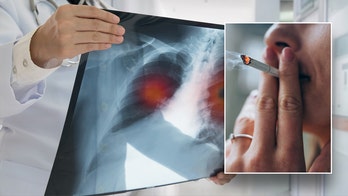
Answer: Smoking is a leading contributor to lung cancer. Secondhand smoke is another risk factor, as well as exposure to radon, a radioactive gas that is invisible, odorless and tasteless, resulting from the breakdown of uranium in soil and rocks.
Exposure to asbestos, found in places like mines, mills, textile plants, shipyards, and areas where insulation is used, is another risk factor, according to the American Cancer Society. Air pollution, previous radiation therapy to the lungs and a family history of lung cancer can also increase the risk.
What treatment options are available for lung cancer?
Answer: There are many different treatment options for lung cancer that patients can discuss with their doctor. Some primary standards of care include surgery, radiation therapy, chemotherapy, immunotherapy, clinical trials and targeted therapy, according to the American Lung Association.
The treatment chosen by doctors will depend largely on the type of lung cancer (small cell or non-small cell) and the severity of the case.